

ทำไมสหรัฐฯ ถึงตามหลัง และทำไมช่วงเวลาแห่งการไล่ตามจึงเริ่มต้นขึ้นแล้ว
ทั่วทั้งเอเชีย การชำระเงินด้วยคิวอาร์โค้ดเป็นส่วนหนึ่งของชีวิตประจำวัน ในประเทศจีน ผู้บริโภคกว่า 90% สแกนคิวอาร์โค้ดเพื่อชำระเงินเป็นประจำ อินเดียประมวลผลธุรกรรมคิวอาร์โค้ดกว่า 100 พันล้านรายการในปี 2023 ผ่าน UPI และตลาดอย่างสิงคโปร์ ไทย และมาเลเซีย กำลังเห็นธุรกรรมแบบเผชิญหน้าเกือบครึ่งหนึ่งถูกส่งผ่านกระเป๋าเงินที่เชื่อมโยงกับคิวอาร์โค้ด ในหลายๆ ที่ เครื่องอ่านบัตรแบบดั้งเดิมไม่เคย “เป็นบรรทัดฐาน” เพราะระบบนิเวศที่นำโดยมือถือได้ก้าวกระโดดข้ามโครงสร้างพื้นฐานทางกายภาพ ภูมิภาคนี้ไม่ได้เพียงแค่นำคิวอาร์โค้ดมาใช้ แต่ได้สร้างระบบการชำระเงินระดับชาติที่ตั้งใจทำให้คิวอาร์โค้ดเป็นวิธีที่ง่ายที่สุด ถูกที่สุด และครอบคลุมที่สุดในการโอนเงิน.
ในสหรัฐอเมริกา ประสบการณ์ยังคงยึดติดกับระบบที่ใช้บัตรเป็นหลัก การทำธุรกรรมส่วนใหญ่ในร้านค้าดำเนินการผ่านเครื่องที่ออกแบบมาเมื่อหลายสิบปีก่อน และแม้ว่าการใช้ QR โค้ดจะเพิ่มขึ้นอย่างรวดเร็วในช่วงการระบาดใหญ่ แต่ก็ยังคงเป็นช่องทางการชำระเงินรอง เหตุผลของความแตกต่างนั้นไม่ได้มาจากความชอบของผู้บริโภคหรือความสามารถทางเทคโนโลยี แต่เป็นผลมาจากความแตกต่างพื้นฐานในวิธีการสร้างระบบนิเวศการชำระเงินของทั้งสองภูมิภาค ความแตกต่างเหล่านี้กำลังเริ่มแคบลง.
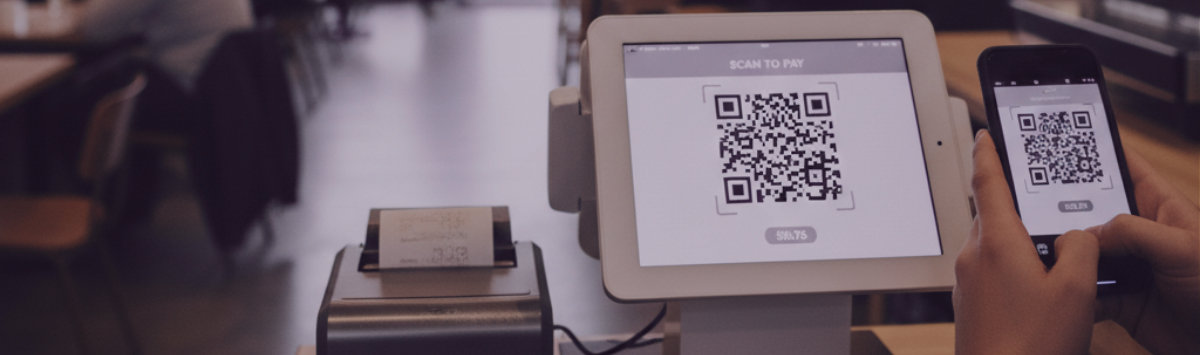
ทำไม QR ถึงระเบิดความนิยมในเอเชีย
การเติบโตอย่างรวดเร็วของ QR ในเอเชียไม่ได้เกิดขึ้นโดยบังเอิญ ประเทศต่างๆ ได้ลงทุนตั้งแต่เนิ่นๆ ในระบบการชำระเงินที่รวมเป็นหนึ่งเดียวและเป็นมาตรฐานระดับชาติ ซึ่งได้เปลี่ยนแปลงวิธีการเคลื่อนย้ายเงิน อินเดียสร้าง UPI ด้วย NCPI เป็นชั้นที่ทำงานร่วมกันได้ซึ่งเชื่อมต่อธนาคาร กระเป๋าเงินอิเล็กทรอนิกส์ และร้านค้าทั้งหมด ประเทศไทยสร้าง PromptPay ด้วยแนวคิดเดียวกัน ฟิลิปปินส์สร้าง QRPh ระบบเหล่านี้ไม่ใช่ผลิตภัณฑ์แต่ละรายการที่แข่งขันกันเพื่อส่วนแบ่งการตลาด แต่เป็นมาตรฐานระดับชาติที่ใช้ร่วมกัน.
รหัส QR เดียวใช้ได้ทุกที่ ผู้บริโภคไม่จำเป็นต้องมีธนาคารหรือแอปกระเป๋าเงินเดียวกันกับร้านค้า ทุกอย่างสามารถทำงานร่วมกันได้ ซึ่งช่วยขจัดความยุ่งยากก่อนที่จะเกิดขึ้น.
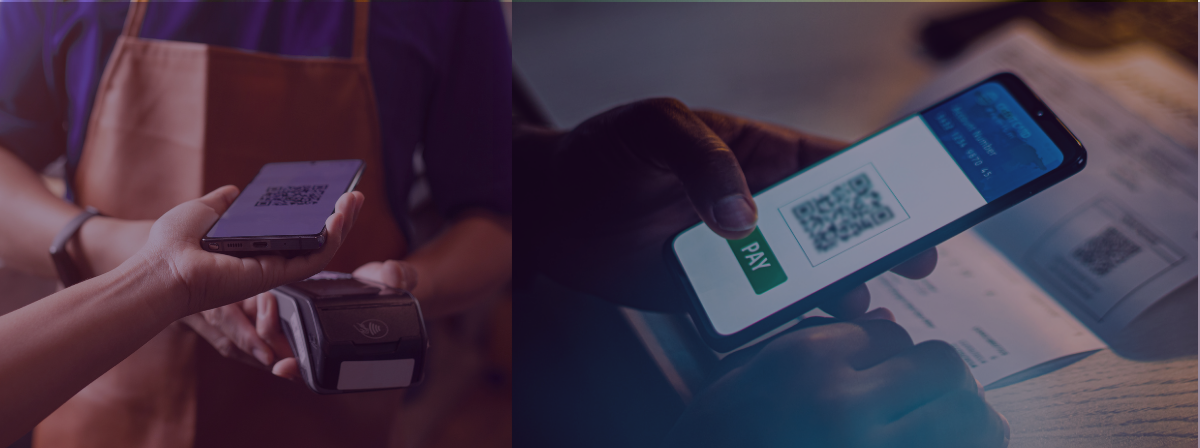
ต้นทุนเป็นแรงขับเคลื่อนที่ทรงพลังยิ่งกว่า ในอินเดีย ธุรกรรม UPI ไม่มีค่าธรรมเนียมผู้ค้า ในประเทศไทย PromptPay มีราคาถูกกว่าการรับบัตรเครดิตอย่างมาก พ่อค้าแม่ค้าทั้งรายใหญ่และรายย่อยรู้สึกถึงความแตกต่างทันที ในหลายกรณี QR กลายเป็นตัวเลือกที่ชัดเจนเพียงเพราะทำให้ธุรกิจมีเงินเหลือมากขึ้น.
การชำระเงินเป็นไปอย่างรวดเร็วทันที เงินทุนถูกโอนจากบัญชีของลูกค้าไปยังบัญชีของผู้ค้าแบบเรียลไทม์ ขจัดช่วงเวลาการชำระเงิน 24–48 ชั่วโมงที่พบได้ทั่วไปในระบบบัตร การกระทบยอดทำได้ง่ายขึ้น และกระแสเงินสดดีขึ้น.
QRโค้ดยังสามารถบรรจุข้อมูลได้มากกว่าบาร์โค้ดทั่วไปหรือแถบแม่เหล็ก สามารถฝังข้อมูลระบุตัวตนของสมาชิก, บริบทของคำสั่งซื้อ หรือข้อมูลผลิตภัณฑ์ได้ ผู้ค้าปลีกในเอเชียตระหนักถึงสิ่งนี้ได้อย่างรวดเร็ว บริษัทต่างๆ เช่น Starbucks ในประเทศไทย, Grab ทั่วทั้งเอเชียตะวันออกเฉียงใต้ และ Paytm ในอินเดีย ได้ผสานรวม QR เข้ากับระบบนิเวศของตนอย่างลึกซึ้ง เชื่อมต่อการสั่งซื้อ, สมาชิกภาพ และการชำระเงินผ่านการสแกนเพียงครั้งเดียว แม้แต่บัตรเครดิตก็ถูกนำมาใช้ในกระบวนการ QR ผ่านแอปกระเป๋าเงินมือถือในที่สุด เครื่องรับชำระเงินแทบไม่ต้องเปลี่ยนใหม่ ส่วนใหญ่เพียงแค่แสดง QR แบบไดนามิกบนหน้าจอ พ่อค้าแม่ค้าขนาดเล็กไม่จำเป็นต้องมีฮาร์ดแวร์ใดๆ เลย.
เมื่อถึงเวลาที่การระบาดใหญ่เริ่มต้นขึ้น QR โค้ดก็ไม่ใช่สิ่งแปลกใหม่แล้ว แต่มันคือโครงสร้างพื้นฐาน.
ทำไมสหรัฐฯ ถึงช้า
สหรัฐฯ ไม่ได้ล้าหลังเพราะเทคโนโลยีไม่มีให้ใช้ แต่มันล้าหลังเพราะโครงสร้างตลาดทำให้การนำไปใช้ช้ากว่า.
สำหรับผู้เริ่มต้น สหรัฐฯ มีระบบ POS แบบดั้งเดิมจำนวนมหาศาลที่ติดตั้งอยู่ ผู้ค้าปลีกใช้เวลาส่วนใหญ่ของทศวรรษในการอัปเกรดเป็น EMV และจากนั้นเป็นบัตรแบบไร้สัมผัส เมื่อคุณลงทุนอย่างหนักในเครื่องปลายทาง คุณมักจะใช้เครื่องปลายทางต่อไป เครือข่ายบัตรและธนาคารผู้ออกบัตรก็มีเศรษฐศาสตร์ที่จัดตั้งขึ้นอย่างดีซึ่งผูกติดอยู่กับค่าธรรมเนียมการแลกเปลี่ยน ดังนั้นจึงไม่มีแรงผลักดันที่แข็งแกร่งจากระบบนิเวศที่จะผลักดันผู้บริโภคให้โอนเงินผ่านธนาคารที่นำโดย QR.
พฤติกรรมผู้บริโภคก็มีบทบาทสำคัญเช่นกัน ชาวอเมริกันสร้างนิสัยเกี่ยวกับวิธีการชำระเงิน และนิสัยเหล่านั้นมีการเปลี่ยนแปลงช้า การแตะเพื่อจ่าย ซึ่งเป็นที่แพร่หลายในหลายประเทศ เช่น ออสเตรเลีย สหราชอาณาจักร และแคนาดา เมื่อหลายปีก่อน เพิ่งได้รับความนิยมในสหรัฐอเมริกาตั้งแต่ปี 2020 เป็นต้นไป QR ก็กำลังดำเนินตามแนวโน้มพฤติกรรมเดียวกัน.
อีกปัจจัยหนึ่งคือการไม่มี “แอปเดียวครบวงจร” ในตลาดเอเชีย การส่งข้อความ การช้อปปิ้ง การเดินทาง และการชำระเงิน มักจะรวมอยู่ในแอปเดียว แต่ในสหรัฐอเมริกา การใช้งานเหล่านี้จะแยกเป็นส่วนๆ เช่น Apple Pay, Google Wallet, PayPal, Venmo, แอปพลิเคชันร้านค้า, แอป BNPL และแอปธนาคารต่างๆ แข่งขันกันเพื่อครอบครองพื้นที่บนอุปกรณ์เดียวกัน.
ในที่สุด ผู้ค้าปลีกบางรายในสหรัฐฯ เชื่อว่า QR โค้ดจะช่วยลดคิวได้ ในความเป็นจริง ข้อมูลจากเอเชียแปซิฟิกแสดงให้เห็นว่าสามารถเร็วกว่าการทำธุรกรรมด้วยบัตรแบบดั้งเดิม แต่การรับรู้ก็มีส่วนทำให้เกิดความลังเล.
ทำไมสิ่งนั้นถึงเริ่มเปลี่ยนไป
ถึงแม้จะมีอุปสรรคเหล่านี้ ตลาดสหรัฐฯ ก็กำลังเปลี่ยนแปลงอย่างชัดเจน การใช้กระเป๋าเงินดิจิทัลกำลังเติบโตเร็วกว่าวิธีการชำระเงินอื่นๆ และ Apple Pay ก็ได้รับการยอมรับจากผู้ค้าปลีกรายใหญ่เกือบทุกราย การรับรู้เกี่ยวกับ QR ซึ่งเคยอยู่ต่ำกว่า 40% ก่อนปี 2020 ปัจจุบันสูงกว่า 90% แล้ว หลังจากหลายปีของการสแกนเมนู การออกตั๋วในงาน การลงทะเบียนเพื่อรับบริการทางการแพทย์ทางไกล และการรับสินค้าที่หน้าร้าน.
เศรษฐกิจค้าปลีกก็ผลักดันการเปลี่ยนแปลงเช่นกัน ร้านขายของชำ ร้านอาหารบริการด่วน และร้านค้าปลีกขนาดใหญ่มีกำไรน้อยลงกว่าจุดใดๆ ในทศวรรษที่ผ่านมา แม้แต่การลดค่าธรรมเนียมการชำระเงินเพียงเล็กน้อยก็สามารถแปลงเป็นเงินหลายล้านดอลลาร์ต่อปีได้ และกระเป๋าเงินที่เชื่อมโยงกับ QR และการโอนเงินจากธนาคารไปยังธนาคารก็เป็นที่น่าสนใจมากขึ้นเรื่อยๆ เนื่องจากสิ่งนั้น.
นอกจากนี้ ยังมีการเปลี่ยนแปลงครั้งใหญ่ในโครงสร้างพื้นฐานอีกด้วย แพลตฟอร์มการจัดการการชำระเงิน เช่น Adyen, Stripe, FreedomPay, Aurus, Fiserv ต่างรองรับประสบการณ์ QR แบบไดนามิกได้ทันที ผู้ค้าปลีกไม่จำเป็นต้องแก้ไขโค้ด POS เดิมหรือเปลี่ยนเครื่องรับชำระเงินเพื่อเพิ่ม QR อีกต่อไป ยิ่งไปกว่านั้น FedNow ได้นำการชำระเงินแบบเรียลไทม์มาสู่ระดับธนาคาร และธนาคารหลายแห่งในสหรัฐฯ กำลังสำรวจตัวเลือก “จ่ายผ่านธนาคาร” ที่นำโดย QR ซึ่งคล้ายกับรูปแบบที่ทำให้ UPI ประสบความสำเร็จในอินเดีย.
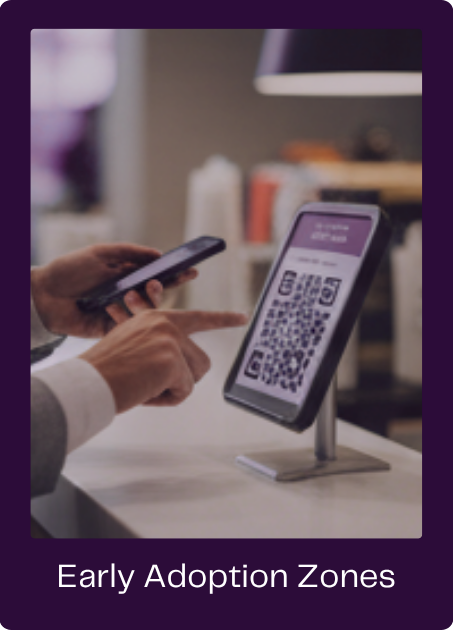
คุณสามารถเห็นการนำไปใช้ในช่วงแรกในสภาพแวดล้อมเฉพาะบางอย่างได้แล้ว สนามกีฬา สนามบิน เทศกาล ร้านอาหารแบบสบายๆ ร้านสะดวกซื้อ คลินิกดูแลสุขภาพ และหน่วยงานขนส่ง กำลังทดลองใช้ QR เนื่องจากสามารถแก้ปัญหาปริมาณงานหรือปัญหาการระบุตัวตนได้โดยเฉพาะ เหล่านี้เป็นสภาพแวดล้อมเดียวกับที่ QR ได้รับความนิยมในเอเชียก่อนที่จะมีการนำไปใช้ในหมู่ผู้บริโภคในวงกว้างตามมา.
การชำระเงินด้วย QR เปรียบเทียบกับการชำระเงินแบบดั้งเดิม
สำหรับผู้ค้าปลีกสหรัฐฯ หลายราย QR อาจรู้สึกแปลกใหม่หรือเป็นเรื่องทดลอง แต่กลไกพื้นฐานนั้นไม่ได้แตกต่างไปจากที่เห็นมากนัก.
ในทั้งสองสถานการณ์ ลูกค้าจะอนุมัติการชำระเงินที่ผ่านตัวประมวลผลหรือธนาคาร ระบบควบคุมการฉ้อโกงยังคงใช้งานได้ การชำระบัญชีจะยังคงดำเนินการผ่านพันธมิตรที่คุ้นเคย เว้นแต่จะใช้โมเดลแบบธนาคารต่อธนาคาร ในมุมมองด้านบัญชี เงินจะยังคงเข้าบัญชีของผู้ค้า.
ความแตกต่างที่สำคัญอยู่ที่วิธีการเริ่มต้นการชำระเงินและสิ่งที่สามารถส่งไปพร้อมกันได้ ด้วย QR ลูกค้าจะใช้อุปกรณ์ของตนเองเพื่ออนุมัติการทำธุรกรรม ซึ่งจะดึงข้อมูลประจำตัวและบริบทมาสู่ช่วงเวลาของการชำระเงิน เครื่องรับบัตรมีบทบาทที่เบากว่า และผู้ค้าปลีกจะได้รับความเชื่อมโยงทางดิจิทัลโดยตรงกับลูกค้า ในบางกรณี การชำระหนี้ระหว่างธนาคารจะรวดเร็วขึ้นและโครงสร้างต้นทุนจะเอื้ออำนวยกว่า.
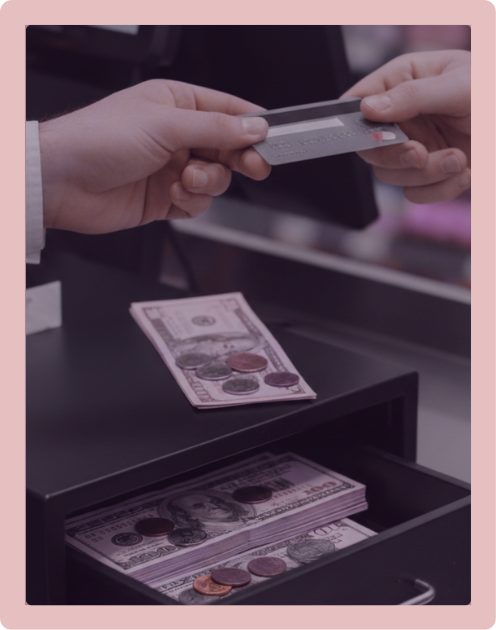
QR ไม่ใช่สิ่งที่จะมาทดแทนบัตร แต่เป็นช่องทางใหม่ในการเริ่มชำระเงินและยืนยันตัวตน ในแบบที่ระบบ POS แบบดั้งเดิมไม่เคยออกแบบมาเพื่อรองรับ.
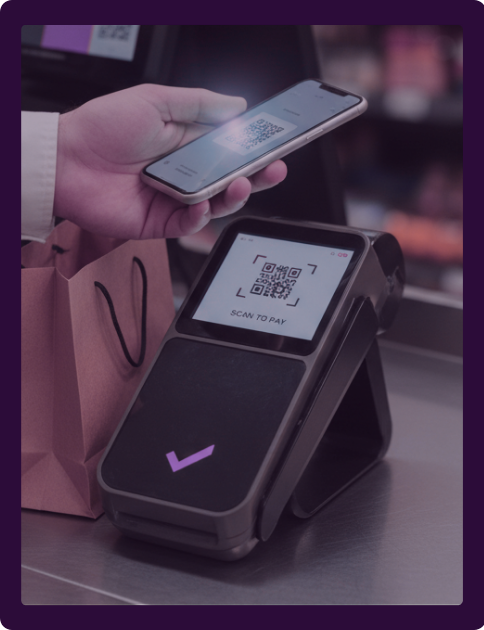
สิ่งที่ลูกค้าจะได้รับ – โดยเฉพาะอย่างยิ่งในการเดินทางแบบหลายช่องทาง
สำหรับลูกค้า การชำระเงินด้วย QRโค้ด สร้างจุดเชื่อมโยงระหว่างประสบการณ์ในโลกจริงและโลกดิจิทัลที่การรูดบัตรแบบเดิมๆ ไม่สามารถทำได้ การสแกน QRโค้ด สามารถเชื่อมโยงคะแนนสะสมได้โดยอัตโนมัติโดยไม่ต้องพิมพ์หมายเลขโทรศัพท์หรือสแกนบัตรประจำตัวแยกต่างหาก คำสั่งซื้อที่ทำในร้านค้าสามารถปรากฏในโปรไฟล์ออนไลน์ของลูกค้าได้ทันที ใบเสร็จดิจิทัลจะถูกสร้างขึ้นโดยอัตโนมัติ รางวัลและข้อเสนอสามารถเปิดใช้งานได้ทันที โดยปรับให้เข้ากับการซื้อนั้นๆ.
การคืนและการเปลี่ยนสินค้าจะเร็วขึ้น เพราะธุรกรรมเดิมเชื่อมโยงกับข้อมูลประจำตัวของลูกค้าแล้ว การสั่งซื้อซ้ำและการสมัครสมาชิกจะง่ายขึ้น ประสบการณ์ในร้านค้าจะเริ่มเหมือนกับประสบการณ์ออนไลน์ ลดความติดขัดและเพิ่มความต่อเนื่อง.
ในโลกที่ไร้รอยต่อ QR ไม่ใช่แค่ช่องทางการชำระเงิน แต่เป็นช่องทางในการเชื่อมช่องทางต่างๆ เข้าด้วยกัน.
สิ่งที่ต้องทำจริง ๆ เพื่อเปิดใช้งานการชำระเงินด้วย QR
ผู้ค้าปลีกส่วนใหญ่ในสหรัฐฯ เชื่อว่า QR โค้ดต้องมีการปรับปรุงครั้งใหญ่ ในความเป็นจริง ความพยายามดังกล่าวมีความหลากหลายอย่างมาก ขึ้นอยู่กับความสมบูรณ์ของระบบการชำระเงิน.
สำหรับผู้ค้าปลีกที่ใช้ผู้ให้บริการจัดเตรียมงานสมัยใหม่ ความสามารถของ QR มักจะมีอยู่แล้ว การเปิดใช้งานอาจทำได้ง่ายเพียงแค่การผสานรวมเวิร์กโฟลว์ใหม่ การปรับแต่งประสบการณ์ส่วนหน้า และการปรับระดับการเป็นสมาชิกหรือข้อมูลประจำตัวให้สอดคล้องกัน สำหรับผู้อื่น ภาระที่หนักกว่าไม่ได้มาจากการมีอยู่ของ QR เอง แต่อาจมาจากระบบนิเวศพื้นฐานของระบบข้อมูลประจำตัวที่กระจัดกระจาย รูปแบบการเป็นสมาชิกที่ไม่สอดคล้องกัน หรือข้อจำกัดของระบบ ณ จุดขาย (POS) ซึ่งทำให้การเชื่อมต่อประสบการณ์ดิจิทัลและในร้านทำได้ยาก.
นักบินไม่ต้องการการเปิดตัวร้านค้าเต็มรูปแบบ ผู้ค้าปลีกหลายรายเริ่มต้นด้วยการจ่ายเงินที่โต๊ะ การเช็คเอาท์หน้าร้าน เคาน์เตอร์รับคืน หรือร้านป๊อปอัพที่มีผู้คนพลุกพล่าน การเปลี่ยนแปลงที่ใหญ่ที่สุดคือเชิงกลยุทธ์: การเปลี่ยนจากการมองว่าการชำระเงินเป็นการโต้ตอบเฉพาะเครื่องรับเงิน ไปสู่การมองว่าเป็นการรวมอยู่ในระบบข้อมูลลูกค้าที่กว้างขึ้น.
ตอนนี้ผู้ค้าปลีกควรทำอะไร
ผู้ค้าปลีก ไม่จำเป็นต้องย้ายทุกอย่างไปใช้ QR ในทันที แต่จำเป็นต้องเตรียมพร้อมสำหรับโลกที่ QR มีบทบาทสำคัญในการเชื่อมโยงการทำธุรกรรมในร้านค้าเข้ากับระบบสมาชิก ข้อมูลประจำตัว และประสบการณ์บนมือถือ.
งานที่สำคัญที่สุดเกี่ยวข้องกับการปรับปรุงสถาปัตยกรรมพื้นฐาน: การปรับปรุงระบบระบุตัวตนให้ทันสมัย การรวมโปรไฟล์ลูกค้าให้เป็นหนึ่งเดียว และการนำระบบจัดระเบียบการชำระเงินมาใช้ที่ช่วยให้สามารถนำวิธีการใหม่ๆ มาเชื่อมต่อได้อย่างรวดเร็ว ผู้ค้าปลีกส่วนใหญ่สามารถเริ่มต้นด้วยการทดลองในพื้นที่เป้าหมาย เช่น การชำระเงินที่โต๊ะ การรับสินค้าที่หน้าร้าน เคาน์เตอร์คืนสินค้า และสภาพแวดล้อมที่มีปริมาณมากซึ่งความเร็วเป็นสิ่งสำคัญ โครงการนำร่องเหล่านี้ช่วยให้ทีมเรียนรู้ความแตกต่างในการดำเนินงานและมุมมองของลูกค้าก่อนที่จะนำไปใช้อย่างกว้างขวาง.
สุดท้ายแล้วสิ่งนี้จะนำไปสู่ที่ใด
สหรัฐฯ จะไม่สร้างแบบจำลองของเอเชียขึ้นมาใหม่ การนำมาใช้นั้นจะไม่เกิดขึ้นผ่านมาตรฐาน QR ระดับชาติเพียงมาตรฐานเดียว และบัตรเครดิตจะยังคงมีความสำคัญเป็นศูนย์กลางไปอีกหลายปี.
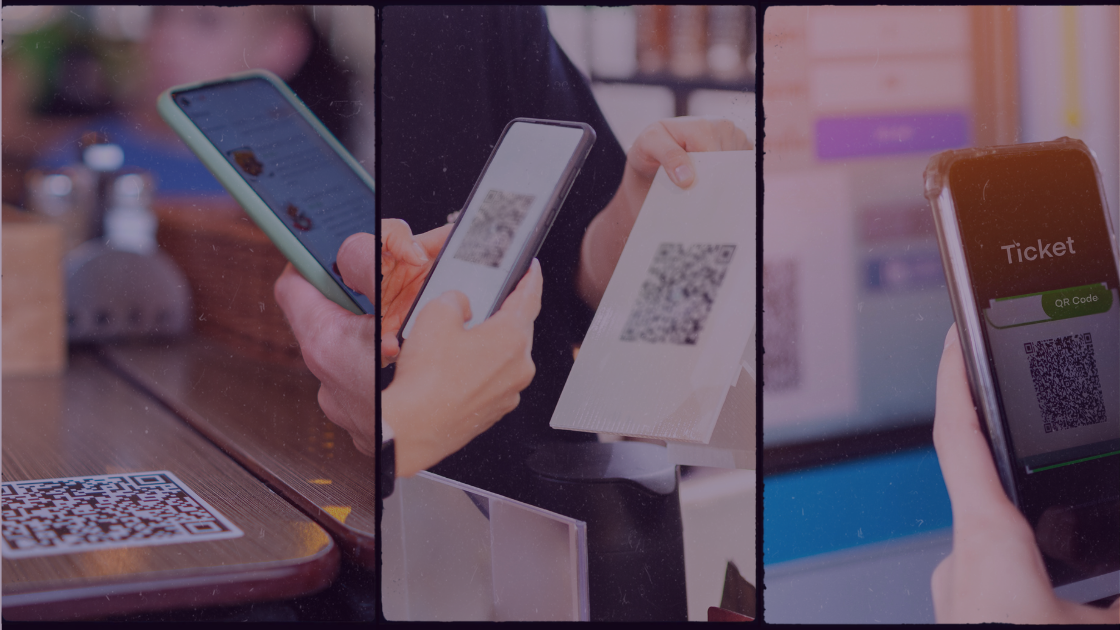
QRโค้ดเป็นมากกว่าวิธีการชำระเงิน มันเป็นสะพานเชื่อมระหว่างตัวตน ความภักดี และการทำธุรกรรมทางกายภาพในแบบที่ระบบ POS แบบดั้งเดิมไม่เคยออกแบบมาเพื่อรองรับ เอเชียได้พิสูจน์แล้วว่าอะไรเป็นไปได้เมื่อ QR กลายเป็นส่วนหนึ่งของรากฐานแทนที่จะเป็นสิ่งที่คิดทีหลัง สหรัฐอเมริกากำลังไล่ตามในที่สุด และผู้ค้าปลีกที่เตรียมตัวในตอนนี้ก็จะเป็นผู้ที่ได้รับประโยชน์เมื่อพฤติกรรมเปลี่ยนแปลงไป.
เกี่ยวกับผู้เขียน

ฌอน ไวท์เฮด
พร้อม
ผู้อำนวยการอาวุโส – ฝ่ายโซลูชันลูกค้า
ผู้บริหารด้านเทคโนโลยีและผลิตภัณฑ์ที่นำการเปลี่ยนแปลงสู่ระบบดิจิทัลสำหรับแบรนด์ค้าปลีกและสินค้าอุปโภคบริโภคชั้นนำ เขาเชี่ยวชาญในการปรับกลยุทธ์เทคโนโลยีให้สอดคล้องกับวัตถุประสงค์ทางธุรกิจ และส่งมอบโซลูชันดิจิทัลที่ปรับขนาดได้ซึ่งขับเคลื่อนการเติบโต ก่อนหน้านี้เขาเคยดำรงตำแหน่งรองประธานฝ่ายผลิตภัณฑ์ดิจิทัลและเทคโนโลยีที่ Fracture และดำรงตำแหน่งผู้นำอาวุโสที่ Kendra Scott และ Humann ซึ่งเขาได้ขยายการดำเนินงานดิจิทัลและเสริมสร้างประสบการณ์ของลูกค้า.
เกี่ยวกับ Ready
รีReady คือเอเจนซี่ที่ปรึกษาที่มุ่งมั่นในการนำเสนอโซลูชันที่เป็นนวัตกรรมเพื่อตอบสนองความต้องการด้านการดำเนินงานและเทคโนโลยี ด้วยการมุ่งเน้นกลยุทธ์ ระบบอัตโนมัติ และการเสริมสร้างศักยภาพ Ready เชี่ยวชาญในการนำเสนอโซลูชันที่มองไปข้างหน้าสำหรับลูกค้าในยุคปัจจุบัน ด้วยการดำเนินงานในสหรัฐอเมริกา ฟิลิปปินส์ ออสเตรเลีย และประเทศไทย และมีแผนที่จะขยายต่อไป Ready พร้อมที่จะก้าวขึ้นเป็นพลังระดับโลกในวงการที่ปรึกษา.
แบ่งปัน